Doula Diaries
CHC’s Doula Diaries Celebrate Unsung Maternal Health Heroes During Black History Month

Unsung Heroes
Women in the United States face a maternal mortality rate more than double that of most high-income countries. This maternal health crisis is especially felt in Black communities. Black women are 3 times as likely as other women to die from pregnancy related causes in the U.S. Black women also are about 50% more likely to deliver a premature baby.
Historically midwives supported by doulas were the leading maternal care providers in Black communities to fill care gaps. However, as more births moved into hospitals over the past century, the number of doulas, midwives and birth advocates declined— reducing the opportunity for pregnant people to receive the individualized care that midwives and doulas provide.
Doulas are key to addressing the maternal health crisis. That’s why CHC: Creating Healthier Communities is partnering with communities to fill the gaps and address unmet needs through the Black Birthing Initiative. In recognition of Black History Month, we’re highlighting the importance of these unsung heroes and the continuum of care that they provide Black families.

Birthing Beautiful Communities
My birth advocate journey was set on fire when I saw Aftershock on Hulu. I had helped people with their birth and labor journey prior... My eyes were opened to the importance of the health journey while carrying, during and after the baby is born for both Mom and baby after seeing this documentary -- the importance of discussing lab results, to discuss pain levels and have discussions around physical issues such as headaches and swelling of hands, fingers, feet and toes and acting on these things.
Having been formally trained with Birthing Beautiful Communities I see the future as being bright and history being made as Black doulas make an impact on Black Lives starting in utero!
Being a doula is part of my DNA. I am ecstatic to connect with others helping to navigate and provide resources that best assist people on this journey of life.


Birthing Beautiful Communities
Once I learned of the history of doulas and birth advocates that have been serving moms in the Black communities for so many past and present years, I became so inspired to want join in to help in the empowerment. The impact that it has made has driven me to want to continue the same compassionate care to Black mothers today.
Being a doula in Black communities, I feel like I am part of the positive change in the history of Black birthing experiences. Whenever I have the opportunity to support a Black mother during childbirth, I'm contributing to the history and the future of maternal health


Women Inspired Neighborhood Network (WINN)
My ancestors were in a place of oppression with no voice. From the middle passage to slavery, “granny midwives” were a community necessity, not a privilege. When childbirth became an educational requirement, Black birth workers were not allowed to attend. In some cases, Black midwives, doulas, and birth workers had to travel over two hundred miles to assist expecting mothers due to the lack of facilities that would accept Black patients.
Today, I'm inspired because I am my ancestors' wildest dreams. My place here, in this world, is to help advocate and equip Black women and persons as they prepare to bring life to the next set of leaders and visionaries! I truly believe there will be a time where diversity, equity and inclusion are an innate response.


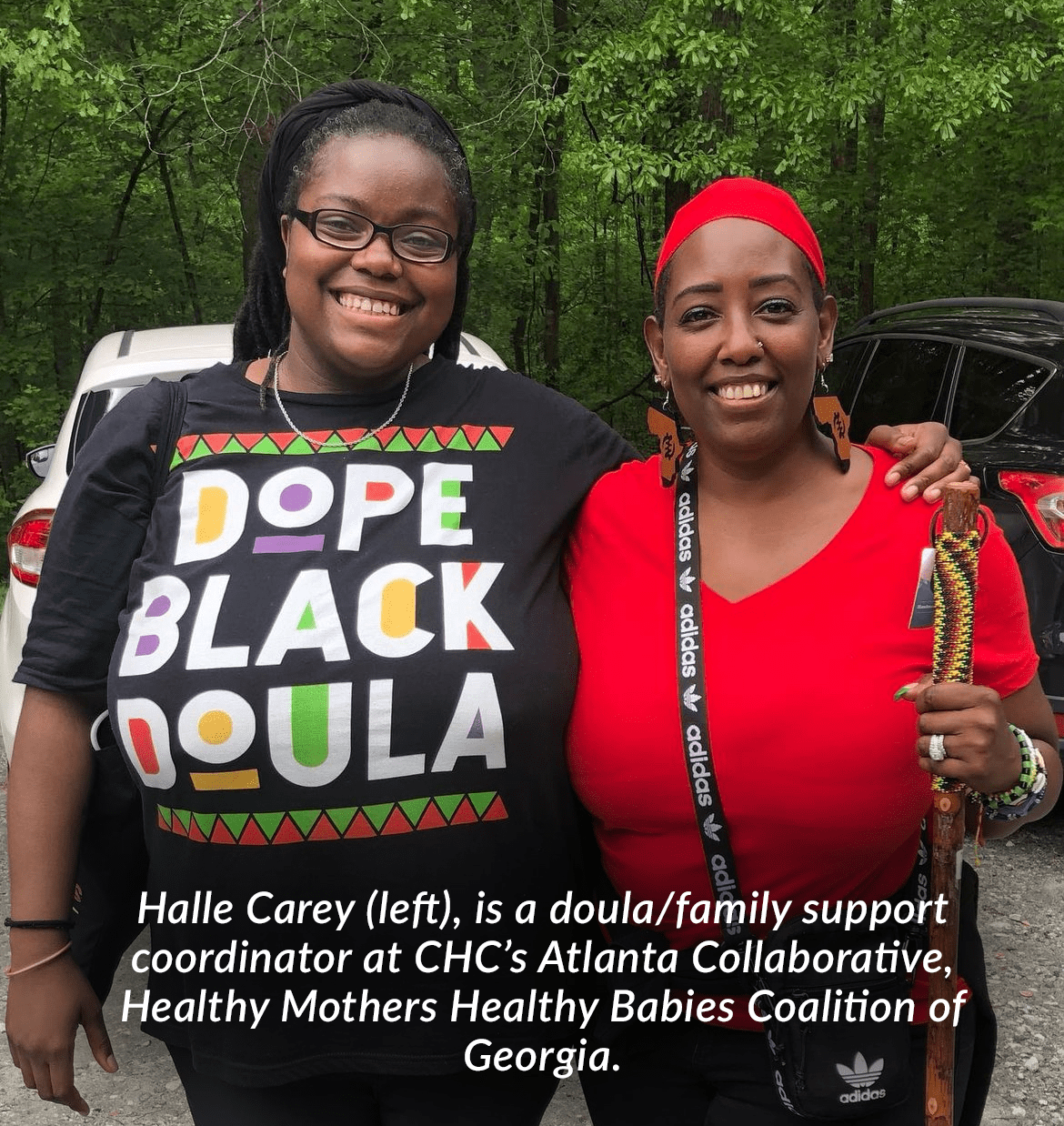
Healthy Mothers Healthy Babies
Historically, we have been the catalyst for innovation and evolution, just sometimes at the hands of detriment. Navigating through this space as a birth worker brings up the Black Birthing Bill of Rights, created by the National Association to Advance Black Birth. The fact that a separate bill of rights must be created, and Black clients are requesting these rights be pinned on the wall in hospital settings to remind them and others in the room of their rights, expresses the gray area where support, education, advocacy is needed! I wanted to show up in those spaces.


Birthing Beautiful Communities
Our stories as birthing persons of color is deeply rooted in Our American history. A history that began when we had no other choice but to deliver and care for our own community because our skin prevented us from going to Western Hospitals. A history that continued with people of color breastfeeding White babies and not owning their bodies to become breeding farms! Our history is filled with so much disheartening pain and strife, but it gives way to so much dominance, resilience, and perseverance. As a Black mother, passion work means that advocating, educating, empowering, and supporting is not work; It is what I do as my ancestors guide me!
In this present time, we can make an impact that will be reflected on and discussed over the years. We don’t have to think about large changes but rather about creating impactful moments!


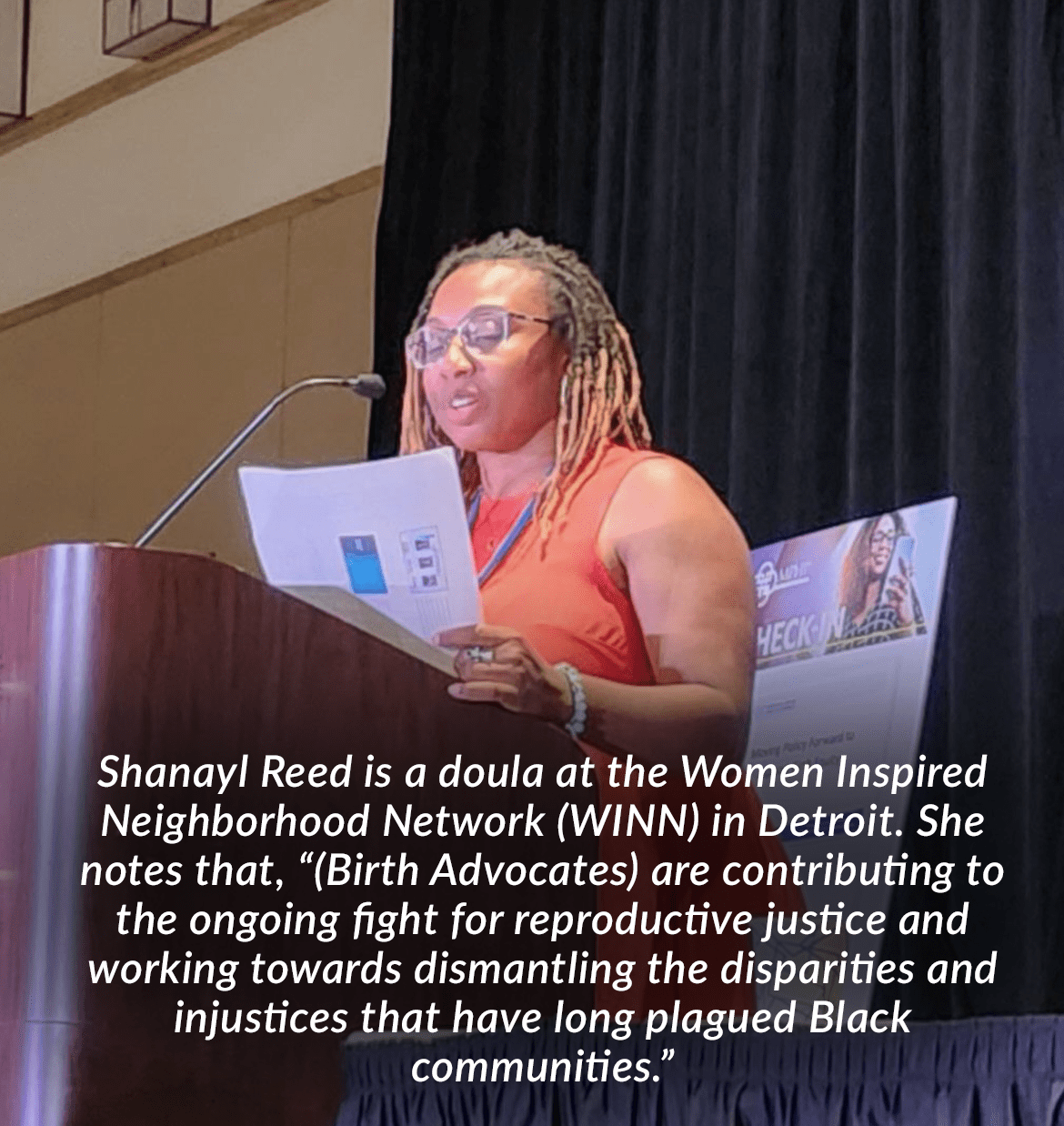
Women Inspired Neighborhood Network (WINN)
The history of doulas and birth advocates in Black communities is rich. From the beginning of time, birth advocates have been present. When Black families didn’t get the medical care and attention we needed, we became it. The Granny Midwife Movement birthed small towns to big states as they led the charge to center our needs as well as the needs of others. Midwives and doulas are different roles but doulas and birth advocates have been inspired by them for generations, and we give thanks to them for laying that foundation. Black doulas and birth advocates have played a crucial role in supporting and empowering Black women and birthing people throughout history.

Healthier Communities
Early midwives were important to enslaved communities, as these women were often allowed to travel and maintain community connections in a way that was unusual for enslaved individuals. “Granny Midwives” were Black women who continued this tradition post emancipation, working in underserved communities in the Southern United States. As obstetrics became a medical specialty, the mostly male physicians sought to exclude the traditional female role. Prior to a greater understanding about asepsis, this trend caused thousands of maternal deaths due to infection. This period was also marked by an increase in unnecessary medical interventions for low-risk pregnancies and a loss of choice for women in the childbirth process. Unfortunately, the marks from this history persist today.
A recent study reported that one in six women preparing for childbirth reported medical mistreatment, including being shouted at or scolded and having medical concerns ignored. Reported rates for mistreatment were higher for Black women across socioeconomic groups. Having a Black partner is also associated with higher reported rates of mistreatment for women of all races.
Many Black women, including famous individuals such as tennis star Serena Williams, find that their concerns are dismissed due to variations in quality of healthcare, implicit bias and structural racism. Doulas, who are not authorized to make medical decisions, but instead work as a companion and advocate in the birth process, can help bridge that gap. As reported by the World Health Organization, “When a woman has access to trusted emotional, psychological and practical support during labor and childbirth, evidence shows that both her experience of childbirth and her health outcomes can improve.”
CHC is committed to implementing responsive strategies that are equity-centered, evidence-informed, and community-led. CHC’s approaches address the social drivers of health, incorporating community perspectives and the lived experiences, needs, and concerns of affected communities.
Doulas are underfunded, particularly in Black communities. One unique element of CHC’s Black Birthing Initiative is that we partner locally to ensure that doulas are supported and receive full-time salaries, allowing them to focus on Black mothers and families.